i. Lower Median House Prices Compared to Capital Cities
ii. How Affordability Increases Investor Entry Points
i. Why Smaller Markets Can Be More Attractive
ii. Impact on Negotiation Power and Capital Growth
i. Government Investment in Regional Infrastructure
ii. Lifestyle Shifts Driving Regional Migration
i. COVID-19’s Role in Shaping Property Demand
i. Historical Growth Data of Regional Areas
ii. Identifying Emerging Investment Hotspots
i. Balancing Risk Between Regional and Capital City Properties
ii. Why Regional Property Adds Stability to Portfolios
i. Market Volatility and Economic Dependence
ii. How to Mitigate Risks with Proper Research
i. NSW, VIC, QLD – Top Picks
ii. Emerging Regional Powerhouses in WA, SA, and TAS
i. Researching Local Economic Drivers
ii. Partnering with Local Agents & Property Managers
With capital city property prices surpassing $1 million and rental yields shrinking, investors are increasingly turning to a new growth frontier — Regional Australia. In recent years, regional markets have attracted strong interest from both first-time and experienced investors, driven by rising metropolitan prices, tighter yields, lifestyle shifts, and the growing awareness of the advantages of regional property investment.
While Sydney, Melbourne, and Brisbane remain economic powerhouses, regional hubs offer a compelling alternative with lower entry prices, strong rental returns, and untapped growth potential. For investors seeking long-term capital growth, portfolio diversification, or higher yields, regional property can outperform metropolitan markets in surprising and sustainable ways.
In property market terms, Regional Australia refers to towns and cities outside of the major metropolitan capitals. These can range from large regional centres like Newcastle, Geelong, and Toowoomba to smaller rural towns with strong economic activity, such as mining hubs or agricultural centres.
Factor | Capital Cities | Regional Areas |
Median House Price | High ($900k–$1.5M+) | Low to Moderate ($350k–$750k) |
Rental Yield | Lower (2–4%) | Higher (4–6%+) |
Competition | High | Moderate to Low |
Growth Drivers | Population growth, infrastructure, business hubs | Lifestyle migration, affordability, niche industries |
Volatility | More stable | Can be market-specific |
Lower Median House Prices Compared to Sydney, Melbourne & Brisbane
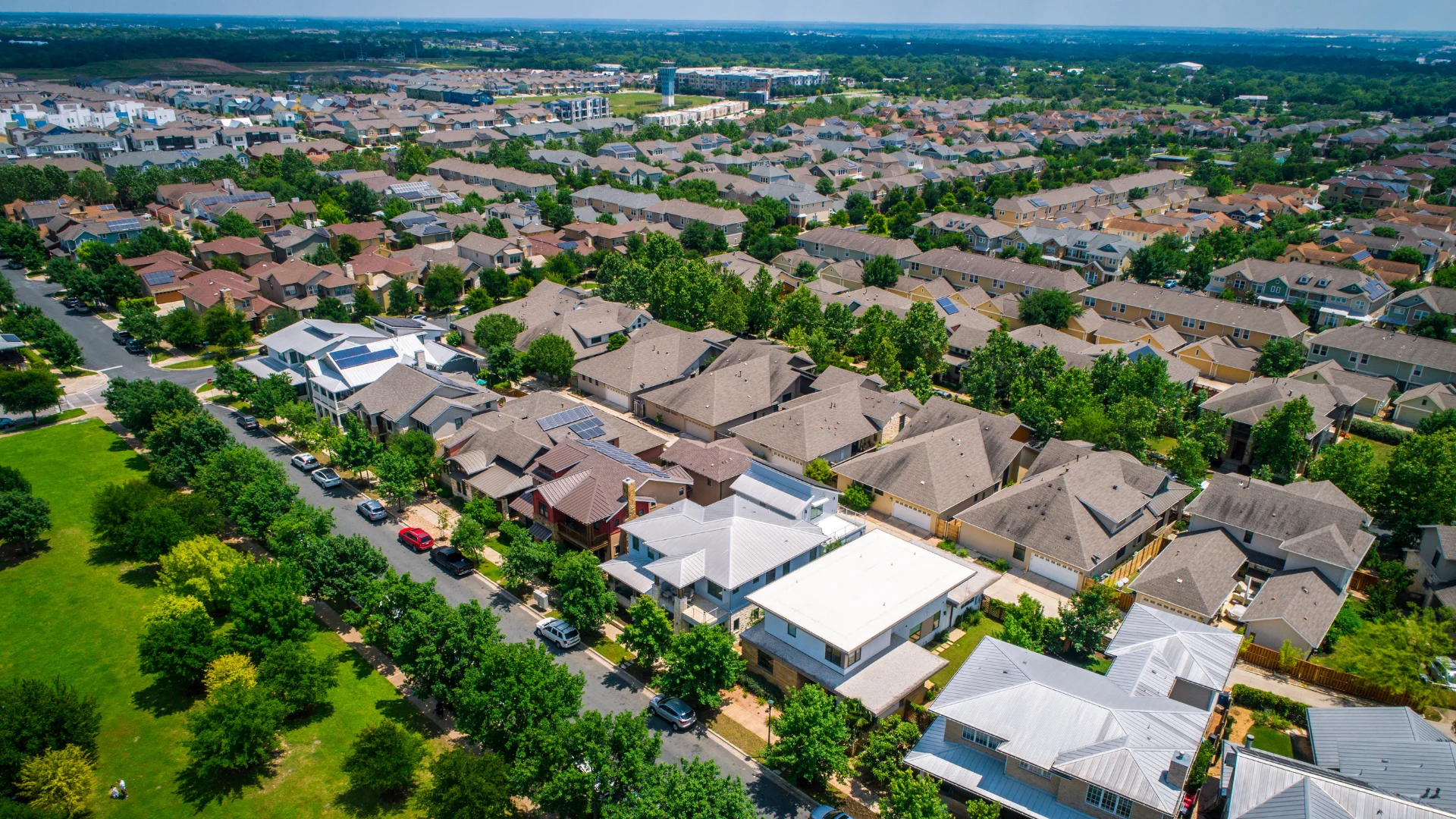
One of the most compelling reasons to invest in regional property is affordability. While Sydney’s median property price exceeds $1.2 million, many regional centres still offer quality homes under $600,000. This makes it far simpler for investors to begin.
Source: https://www.aihw.gov.au/reports/australias-welfare/housing-affordability
Lower prices mean investors can buy multiple properties or diversify across several regions, spreading risk and maximising cash flow potential.
Regional Australia’s Strong Yield Performance
Capital cities often deliver 2–4% gross rental yields, whereas many regional towns boast yields above 6%. This means more consistent positive cash flow for investors.
Regional property markets typically attract fewer speculative buyers, which means more negotiation power for investors.
This reduced competition can allow you to secure properties below market value and enjoy stronger growth when demand increases.
The Australian government and state authorities have committed billions to regional infrastructure projects including improved highways, expanded airports, upgraded hospitals, and new educational institutions. These developments boost local economies, attract new residents, and increase property demand.
Many Australians are opting for the “tree change” or “sea change” lifestyle, leaving busy capital cities in search of a better work–life balance. Lower congestion, access to nature, and stronger community connections make regional towns highly attractive for families and remote workers.
The pandemic accelerated remote and hybrid work models, proving that many roles can be done without daily commutes. This shift has opened up more possibilities for people to live in regional areas without sacrificing career opportunities.
With flexibility in work locations, regional property demand has surged, particularly in areas within 2–3 hours of capital cities. This trend is expected to remain strong as more businesses embrace long-term remote work arrangements.
While regional property markets were once seen as slower growth areas, recent years have shown above-average appreciation in many regional hubs. With migration patterns shifting and infrastructure improving, investors can benefit from steady long-term growth.
Key indicators of future growth include:
Owning both metropolitan and regional properties helps spread risk across different markets, reducing reliance on the performance of a single location.
Regional markets can be less volatile during economic downturns, especially when they’re supported by essential industries like healthcare, agriculture, or education.
Some regional towns rely heavily on a single industry, meaning economic shifts like mine closures or agricultural downturns can impact property values.
Investors should:
Before buying, assess the region’s key industries, job stability, and upcoming developments. Healthy economic drivers ensure sustained rental demand and ongoing price growth.
Local professionals understand micro-market trends and can guide you to high-performing suburbs or streets that broader data might overlook.
Investing in Regional Australia offers an exciting combination of affordability, high yields, infrastructure growth, and lifestyle appeal. As remote work and migration patterns reshape the property landscape, regional towns are emerging as serious contenders to capital cities for long-term investment. By doing thorough research, focusing on economic diversity, and leveraging local expertise from LandX Capital, investors can secure strong returns while tapping into the future growth of Australia’s heartland.
Not necessarily. While some towns face economic reliance on single industries, many have diversified economies and strong growth fundamentals.
Many regional areas offer yields between 4–6%, with some exceeding 7%, compared to 2–4% in capital cities.
Regions within 2–3 hours of major cities often see the strongest demand due to commuting and lifestyle appeal.
With migration trends, infrastructure investment, and remote work, many regional property markets are expected to maintain steady price growth.
Yes, affordability in regional markets often allows investors to spread their budget across several properties, diversifying their portfolio.

Suite 320, 4 Columbia Court, Norwest NSW 2153
416 Ironbark Road, Baccush Marsh VIC 3340
43-55 Euston Rd,
Glenvale QLD 4350
2349 Guara drive, Sunset
Beach, Geraldton WA
6530
247 Mt Percy Rd,
Compton, Mt Gambier SA
5291
9 Ferry Blvd, George Town,
TAS 7253
Leave A Comment